Wood-Look Film vs Laminate:
Cost, Time and What You Keep.
A dated oak kitchen, a melamine office run, a wardrobe front nobody has liked since it was fitted — the instinct is to rip it out and order new doors. It is not the only route to the same room.
Wrapping puts an embossed wood-grain film onto the doors and fronts already hanging, in place, over a few days. Replacing takes them off and starts again. Here is what each one costs you in money, in time and in the things you already own.
The short answer.
Wrapping the doors you already have in a wood-look film is typically up to 70% less than replacing the same surfaces, installs in two to four days rather than weeks, and leaves the carcasses, hinges, runners and layout exactly where they are.
Seven things that separate a wrap from a replacement, on the same run of doors.
| What you are weighing | Wrapping in wood-look film | Replacing in laminate or veneer |
|---|---|---|
| What it costs | Typically up to 70% less than replacing the same surfaces — the saving is the rip-out, the new carcassing and the factory work you no longer buy. | The full cost of new doors and fronts, plus the removal, the fitting and whatever the disturbance turns up behind them. |
| Time on site | Two to four days for a typical run, worked in place. The room is back in use at the end of it. | Weeks rather than days once the lead time on the doors, the delivery and the fitting are counted. |
| Disruption | The home is protected before a blade comes out, the elements are wrapped in situ, and nothing is demolished. | A strip-out, the dust that comes with it, and a kitchen or an office out of commission while it happens. |
| What you keep | The carcasses, hinges, runners, handles, worktops and the layout — everything that was working stays working. | Only what you choose not to replace, and each thing you keep has to meet the new doors dimensionally. |
| Repairs, years later | One damaged door is re-wrapped on its own and matched by the exact film reference named on your quote. | A discontinued laminate is a matching problem across the whole run rather than a single-door job. |
| What is covered | The manufacturer’s own warranty against cracking, peeling and fade for up to 10 years, with our workmanship cover in writing alongside it. | Whatever the supplier and the fitter each put in writing — worth asking for as two separate documents. |
| Changing your mind later | Another film over a sound surface, with the same days-not-weeks arithmetic as the first time. | Another rip-out, at the cost of another rip-out. |
This table is about two routes to the same room. It is not an argument that replacement is wrong — there are surfaces we will not wrap, and they are named further down this page.
Four wood-look references from the live catalogue.
Over 800 wood-look references are published across the four film brands we install — oaks, walnuts, ashes, teaks, limbas and pines, in structured, soft and matte textures.
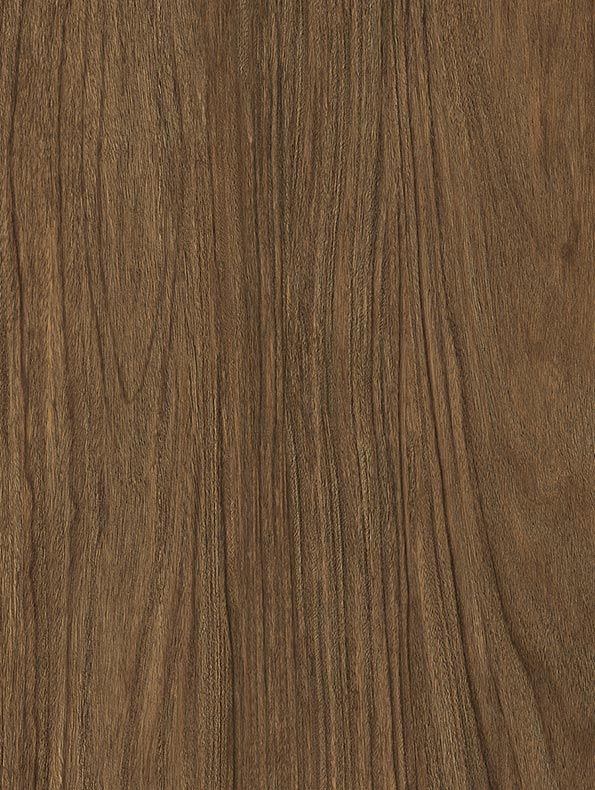
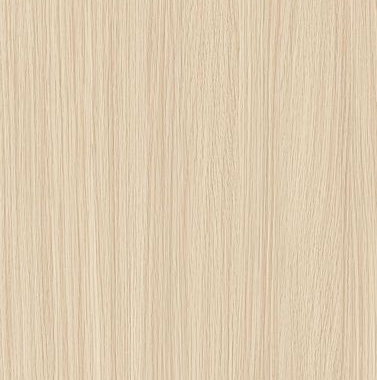
These are embossed wood grains — a film that reproduces the look and the texture of a timber, not the timber itself. Which is exactly why they are judged from the film brands’ sample books at your survey, against the light in your own room.
Where the saving actually comes from.
Up to 70% less than replacing the same surfaces is not a discount and it is not a cheaper version of the same work. It is a different scope of work, and the difference is made of three things you stop buying.
The rip-out. Nothing comes off the wall. There is no strip-out, no skip, no disposal and no making good behind what was removed — and no days of a room being unusable while that happens.
The carcassing. A door front is the part you look at; the boxes behind it are the part you paid for. Wrapping renews the part you see and leaves sound carcasses, hinges and runners doing the job they were already doing.
The factory. Replacement doors are made somewhere else, to a lead time, and then delivered and fitted. Wrapping happens in your room, on the elements already hanging, over two to four days.
What you do buy is preparation and craft: cleaning, degreasing, repairs and edge priming, given the time they honestly take, because that is where the life of a wrap is decided.
What a wood-look film is, and what it holds.
Architectural film is manufactured as an interior building finish. A wood-look reference carries a printed grain under an embossed texture, so the surface has a direction and a feel under a hand rather than being a flat picture of timber.
That embossing is also why grain direction matters on a wrap the same way it matters on a real timber door. Which way the grain runs on a tall door, across a drawer bank, around a corner return — that is set out at the survey and named on the quote, not decided by whoever unrolls the material on the day.
It is a finish, and it is honest about being one. Nobody should choose an embossed grain from a photograph and expect a slab of oak. What they should expect is the look and the texture of the grain they approved, on the doors they already own, matched again years later from the reference on their paperwork.
When replacing is genuinely the better call.
Film bonds to what is already there and takes on its shape, which means it needs something sound to bond to. Where that is missing we say so at the survey, before anything is quoted.
A substrate that has failed. A board that has swollen from a leak, a veneer that is lifting, a surface that no longer holds its own finish — a wrap over that inherits the problem rather than solving it.
Damage that goes deeper than the finish. If the door is broken rather than tired, it needs repair or replacement first. Film renews a finish; it is not a structural repair.
A layout change. If the answer to the room is a different arrangement — a bigger island, another run, a door where a wall is — no finish decision fixes that, and wrapping the existing layout only postpones the conversation.
In every one of those cases we would rather tell you before you spend anything, and put it on the page that carries the price so what you were told is on the record.
A knock is one door, not the whole run.
Each wrapped element is its own piece of work, which is what makes a wrap repairable in a way a replaced run often is not. A damaged door, drawer front or panel comes off, is re-wrapped in the same reference, and goes back.
The thing that makes that possible is on your quote: the exact film reference named against each element. Years later it is what gets ordered again, so one door is matched to everything around it rather than approximated — and the invoice and the roll label carry the same reference to check it against.
This is also the quietest argument for naming the film on the paperwork at all. A run of doors described only as “vinyl, by the metre” leaves you nothing to match a repair against, and one knock on one door turns into a conversation about the whole room.
What people ask before they choose.
Is wrapping cheaper than new kitchen doors?
Typically, yes — wrapping is usually up to 70% less than replacing the same surfaces. The saving is not a cheaper material doing the same job; it is a smaller job. Nothing is ripped out, so there is no strip-out, no disposal and no making good. The carcasses, hinges and runners you already own keep working, so you are renewing the part of the kitchen you actually look at. And the work happens in your room over two to four days rather than in a factory to a lead time. What you do pay for is the preparation: cleaning, degreasing, repairs and edge priming, which is where the life of a wrap is decided.
How long does it take to wrap a kitchen in a wood-look film?
Two to four days for a typical run, worked in place. The home is protected before a blade comes out, the elements are wrapped in situ rather than removed to a workshop, and the room is back in use at the end of it. A replacement is a different order of time once the lead time on new doors, the delivery and the fitting are counted — weeks rather than days, with the room out of commission for part of it. Your own timeline is confirmed at the measure-up visit, and the install date is a confirmed date on your quote rather than an estimate, with the deposit tied to it.
Will a wrapped door look like real wood?
It will look like the reference you approved, which is an embossed wood grain — a printed grain under a texture you can feel, made as an interior building finish rather than as a picture of timber. Held against your own doors in your own light, the good ones are convincing enough that most people stop asking the question; on a screen, none of them are, because a monitor flattens the very texture that does the work. That is why the film brands print sample books and why your surveyor brings them to the measure-up visit: the grain, the sheen and the direction are judged in the room they are going into, and the reference you settle on is named against each element on the written quote.
Can a wrapped door be repaired if it gets damaged?
Yes, and one door is one job. Each wrapped element is its own piece of work, so a damaged door, drawer front or panel is re-wrapped on its own and put back without touching the rest of the run. What makes the match possible years later is the exact film reference named against that element on your quote and your invoice — it is ordered again by reference rather than matched by eye. That is worth checking on any wrapping quote you are given, ours included: a run described only as vinyl by the metre leaves nothing to match a repair against, and a single knock becomes a conversation about the whole room.
Compare these four yourself.
Four wood-look references opened in the comparison tool — family, texture, colour, where each can go and the manufacturer’s warranty, in one table. Swap any of them for something from the library.
Nothing here is a hold, a booking or a price. Your surveyor brings the film brands’ sample books to the visit, and you can change your mind at any step — including on install day, before the film goes on.
See it on your
own surfaces.
Tell us the surfaces and the look. We measure element by element, bring the film brands’ sample books to you, and issue a written, itemised quote naming the exact film reference against each element, with preparation included in the price.
The call-out fee is credited back when you go ahead, the deposit is tied to a confirmed install date, and the balance falls due on completion after your own inspection.
Wrapt Interiors™ installs across Johannesburg and Gauteng, and nationwide by arrangement. Call +27 74 906 5616 or email hello@wraptinteriors.co.za.