The Dressing Room You Want,
on the Wardrobes You Own.
- Wardrobe doors
- Walk-in cupboards
- Built-in shelving fronts
- Drawer fronts
- Headboard walls
- Bedroom panelling
- Dressing tables
- Passage cupboard doors
Keep the wardrobes you have. We re-skin the doors, the fronts and the joinery around them in premium architectural film — limed oak, deep walnut, a leather effect or a single deep matte — installed in situ, in days — not the weeks a rip-out and rebuild takes.
Same carcasses, same hanging space, same hinges. Up to 70% less than replacing the same built-ins.
Doors, fronts and the joinery around them.
Wardrobe & Cupboard Doors
The faces you open every morning, wrapped face and edge, then back on their existing hinges. Hinged doors, sliding fronts and drawer fronts all take the same finish, so a long run reads as one piece of joinery instead of a row of doors.
Walk-in Cupboards
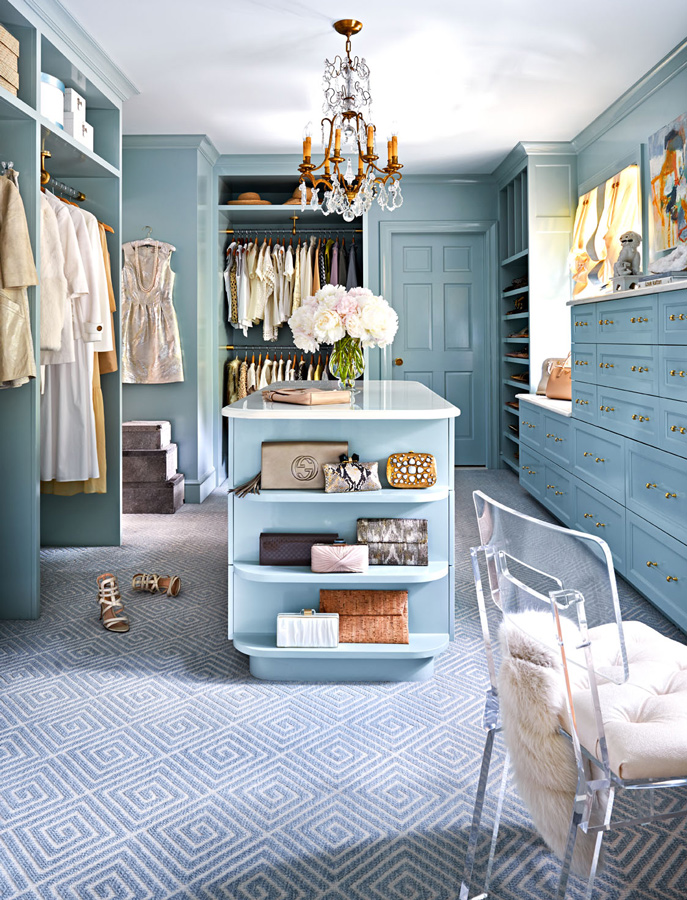
The boutique moment: one finish carried across every front in the room — doors, drawer banks, shelving fronts and the island — so the space reads as a dressing room rather than as storage.
Built-ins & Bedroom Joinery
Headboard walls, dressing tables, window seats, passage cupboards and bedroom panelling brought onto the same scheme, so the wardrobes are not the only thing in the room that changed.
Six ideas for the wardrobes you already have.
What each choice actually does to a bedroom — before you narrow 1,500+ finishes down to a shortlist.
One Dark Grain Across Every Door
A single deep walnut or smoked oak run across a whole wall of fronts reads calm and hotel-suite. The doors stop announcing themselves individually and the elevation settles into one quiet plane.
Limed Oak or Pale Ash to Lift a Dim Bedroom
Pale timbers give back the light a north-facing room never gets. It is the quickest way to make a heavy, dark-fronted wardrobe wall feel lighter without moving a single carcass.
Leather or Linen Effect for a Dressing-Room Feel
The textile family gives warmth without upholstery — linen weaves, leather and suede effects across wardrobe fronts and the panelling beside them, and wipe-clean afterwards, which upholstery never is.
Matte Solids for Handleless Built-Ins
A single uninterrupted tone lets a handleless run read as form rather than as pattern. Matte also absorbs light and forgives everyday handling, which matters on doors touched every morning.
Two Tones, Deliberately Split
Doors in one finish, the surrounding panelling and end panels in another. Because every element is specified by name, a two-tone scheme is as straightforward to price and to check as a single-finish one.
Grain Direction on Tall Doors
Grain is directional, so it is a design decision rather than a detail. Run it vertically on tall doors and the elevation lengthens; run it the same way across every door and the wall reads as one scheme.
Oak doors, leather fronts, or one deep matte.
Over 1,500 architectural film finishes from Cover Styl’, Bodaq, 3M DI-NOC and LX Hausys — browsed here, or held against your own wardrobe doors in your own light.
In your bedroom in days, not weeks — with the house still yours.
Measure & Sample
We visit, measure every door, front and panel that will be wrapped, and bring the film brands’ sample books to you — so the shortlist is judged against your own joinery, in your own light. The visit carries a call-out fee, credited back when you go ahead.
Protect & Wrap
Floors, carpets and beds are protected before a blade comes out. Doors come off only where it produces a better wrap; carcasses, end panels and headboard walls are wrapped in place. Two to four days for most projects — not the weeks a rip-out and rebuild takes — in situ, with no demolition and no rubble.
Back on Their Hinges
Doors return to their existing hinges, the handles go back to the same holes, and the room comes back into use — wipe-clean and warrantied, with the guarantee documents in your hand.
The same cupboards, in a different material.
Nothing is ripped out. The carcasses, the rails and the hanging space stay exactly as they are — only the surface changes.
Wrapping with Wrapt Interiors™
In situ · days · warrantied- CostUp to 70% less than replacing the same built-ins
- TimeTypically 2–4 days, in situ
- Living with itClean and quiet — you sleep in your own house
- LayoutUnchanged — same carcasses, same hanging space
- WasteNothing goes to the rubbish dump
New built-in cupboards
Demolition · weeks · full price- CostNew carcasses, fronts and fitting, full price
- TimeTypically weeks, with the bedroom out of use
- Living with itDemolition, dust and a room you cannot use
- LayoutCan be re-planned, at a price
- WasteThe old cupboards go to the rubbish dump
What people ask about wardrobes.
Do the wardrobe doors have to come off?
Only where taking them off produces a better wrap. Doors and drawer fronts usually come away so the face, the edges and the returns can all be finished properly, then go straight back on their existing hinges. Carcasses, end panels, headboard walls and bedroom panelling are wrapped in place. Either way your layout is untouched, and the room is yours again at the end of each day.
Can the inside of the wardrobe be wrapped too?
Our craft is fronts, panels and the surfaces you actually see — doors, drawer fronts, shelving fronts, end panels and the joinery around them. Interiors vary enormously: some visible internal panels and shelf faces wrap beautifully, others are better left as they are. That is a judgement made element by element, and we make it with you at the survey — including telling you plainly where a surface should not be wrapped, before you spend rather than after.
Can I mix finishes across the doors and the panelling?
Yes, and it is one of the most useful things about specifying element by element. A warm oak on the doors, a deep matte on the surrounding panelling, a leather effect on a dressing-table front — all approved at the same visit. Because your quote names a film reference against each door, front and panel, a mixed scheme is as easy to price and to check as a single-finish one, and you get our honest view on how it will read first.
What happens to my handles and hinges?
They stay yours. Handles, hinges, runners and rails are removed only where they have to be for a clean wrap, and refitted to the same holes afterwards — the layout and the hanging space stay exactly as they are, and nothing is re-planned unless you ask for it. If you are planning new handles of your own, mention it at the survey so the finish is chosen with them in mind.
Is wrapping cheaper than new built-in cupboards?
Considerably — typically up to 70% less than replacing the same surfaces. Wardrobes are measured and priced per door, drawer front and panel after a survey, because no two runs are the same size or condition, and the written quote shows the measurements behind every number. The films are warrantied by their manufacturers against cracking, peeling and fade for up to 10 years, with our workmanship cover in writing alongside.
See it on your
own surfaces.
Send a few details and we will arrange a visit to measure every door, front and panel and hold the samples against your own joinery — then prepare your written, itemised estimate.
Wrapt Interiors™ works across Johannesburg and Gauteng, and nationwide by arrangement — call +27 74 906 5616 or email hello@wraptinteriors.co.za.