Marble-Look Film vs Real Marble:
Weight, Seams and Cost.
Marble is the look people ask for by name, and the reasons they hesitate are almost never about how it looks. They are about the weight, the joins, the upkeep and what the slab costs once it is templated, fabricated and fitted.
A marble-look film answers the look without any of that, because it goes onto the surface already there. It is not the same thing as stone, and this page is about where that matters and where it honestly does not.
The short answer.
A marble-look film goes over the surface you already own — no slab weight for the structure to carry, no template, no sealing schedule — while a real slab brings the mass, the joins and the upkeep of a natural stone along with everything that makes it worth having.
Seven things that separate a film from a slab on the same surface.
| What you are weighing | Marble-look film | Real marble |
|---|---|---|
| What it weighs | Effectively nothing. It is a finish over what is already carrying the load, so nothing underneath has to be strengthened for it. | The mass of the stone. The cabinetry, the substrate or the structure has to be built or checked to carry a slab. |
| Joins & seams | Film comes on a roll, so a long run has joins too — they are planned at element edges and returns, and set out at the survey rather than discovered on the day. | Slab joins are set by the size of the stone and the veining has to be matched across them by the fabricator. |
| Upkeep | A damp cloth and a mild household cleaner. No sealing schedule, no specialist product. | Natural stone is porous. Sealing and stain care are part of owning it, on whatever schedule your supplier specifies. |
| What it costs | Typically up to 70% less than replacing the same surfaces — it renews what is there rather than buying a slab, a template, fabrication and fitting. | The stone, the templating, the fabrication and the installation, each of which is priced on the piece you choose. |
| Time on site | Two to four days for a typical scope, worked in place, with the home protected before a blade comes out. | Weeks rather than days once templating, fabrication lead time and fitting are counted. |
| On a kitchen counter | A specific collection is used for this: Cover Styl’s High Resistance range, twelve references the manufacturer engineers for high-traffic surfaces, four of them marble looks, carrying a ten-year manufacturer warranty. | The slab itself, with the edge profile, the sink cut-out and the fixing all part of the fabrication. |
| Changing your mind | Another film over a sound surface, in days, at the same order of cost as the first time. | Another slab, templated, fabricated and fitted again. |
A film reproduces a marble; it is not one. Everything above is a practical difference between two ways of getting the look — not a claim that one of them is the other.
The four marble looks asked for by name.
Four references in Cover Styl’s High Resistance collection carry marble looks and a ten-year manufacturer warranty — the ones clients name when they are talking about a worktop.
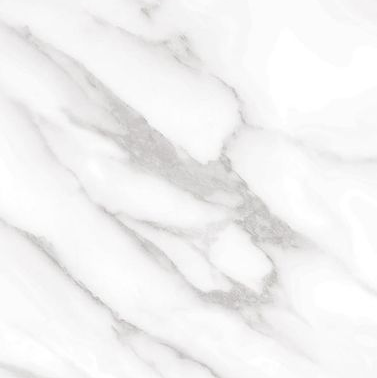
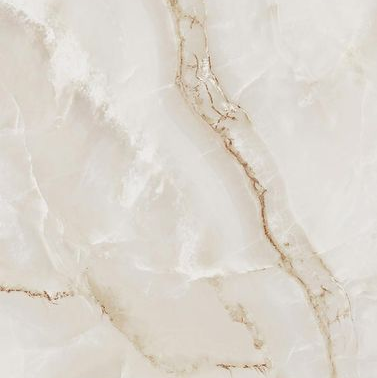
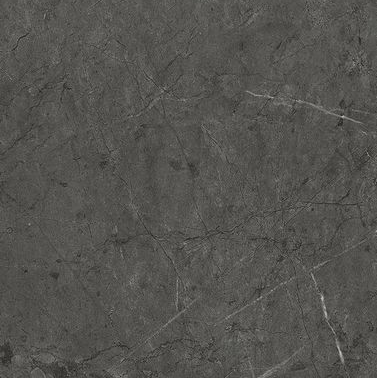
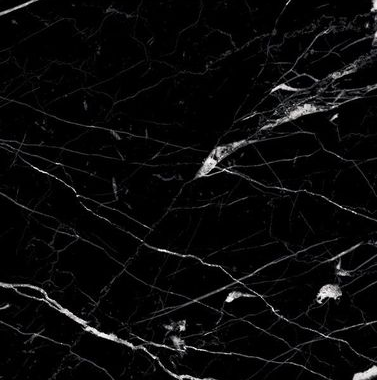
Fifty-plus marble-look references are published across the four film brands for doors, panelling and joinery. These four are the High Resistance ones — the collection the manufacturer engineers for high-traffic surfaces, which is what a counter is.
What each one asks of your room.
The look is the part that is closest between these two. Everything that separates them is structural, practical or financial — and all of it is decidable before you spend anything.
Weight. A slab has to be carried. That is a question for the carcass, the substrate and sometimes the floor, and it is one of the reasons a marble worktop can turn into a joinery project. A film adds effectively nothing to what is already holding the surface up.
Joins. Neither answer is seamless. Stone is limited by slab size and asks the fabricator to match veining across a join; film is limited by roll width and asks the installer to plan joins at edges and returns. The difference is that a film join is set out at the survey, on your quote, before the work starts.
Upkeep. Natural stone is porous and lives with a sealing and stain-care regime. A wrapped surface lives with a damp cloth and a mild household cleaner, and nothing else is asked of you.
Counters: the film built for them.
A worktop is not a door, and it is not wrapped in a door film. Counters are wrapped in Cover Styl’s High Resistance collection — twelve references the manufacturer engineers for high-traffic surfaces, with superior abrasion resistance, in a stretchable film that follows an edge profile or a return in one continuous piece. Four of the twelve are the marble looks above, and the collection carries a ten-year manufacturer warranty passed through to you in writing.
Edges are the detail that decides it. Every edge in contact with water is sealed as part of the installation, and a sink cut-out is detailed properly rather than trimmed short. Because that is workmanship as much as product, the answer for your particular run is given at the measure-up visit, surface by surface, and the scope is settled there.
A board and a trivet. Cutting happens on a board and hot pans land on a trivet — the same counsel a stone or laminate supplier gives for theirs. You will not find a temperature figure or a knife test on this page, because we will not put numbers in writing that we cannot stand behind. What the manufacturer does publish is what the range is built for: high-traffic surfaces and superior abrasion resistance, which is the everyday wiping, sliding and traffic that sits between those two habits.
Where a real slab is still the answer.
There are rooms where the stone is the point, and we would rather say so than sell a film into one of them.
When you want the stone itself. The cool of it under a hand, the depth of a polished edge, the fact that the piece is unique and quarried — a film reproduces a look, and it does not pretend to reproduce any of that.
When the surface underneath has failed. Film bonds to what is there and takes on its shape. A board that has swollen from a leak under a sink has changed shape, and a wrap over it inherits the problem. That is a repair or a replacement first, and we say so at the survey.
When the layout is the real question. If the answer to the kitchen is a different island, a different run or a different worktop depth, no finish decision solves it. Wrapping the current layout only postpones the conversation.
Judging a marble in your own light.
Marbles are the hardest finishes to choose from a screen, because what separates one from another is the scale of the veining and the way it moves across a large surface — and a thumbnail shows you neither.
Your surveyor brings the film brands’ sample books to the measure-up visit, and the marble is held against your own cabinetry, your own splashback and your own light. The run is measured, the joins are set out, the sink and the edge details are looked at, and the choice is settled in that visit rather than left open.
What follows is a written, itemised quote with the exact reference named against each element — which is also what makes the same worktop orderable again, years later, if one element ever has to be redone.
What people ask about marble looks.
Can a kitchen counter be wrapped in a marble-look film?
Yes — with a film built for the duty. Worktops are wrapped in Cover Styl’s High Resistance collection: twelve references the manufacturer engineers for high-traffic surfaces, with superior abrasion resistance, in a stretchable film that follows an edge profile or a return in one continuous piece. Four of those references are marble looks — Statuary White, Onyx Gold, Armani Nero and Nero Marquina — and the collection carries a ten-year manufacturer warranty, passed through to you in writing. The reference that goes on your counter is named against that element on a written, itemised quote, and the roll label is there to check against it on install day.
Does a marble-look film look like real marble?
Held against your own cabinetry in your own light, the good references are convincing enough that the question usually stops being asked — and on a screen, none of them are, because a thumbnail cannot show the scale of the veining or how it moves across a large surface. That is the honest answer, and it is why the film brands print sample books and why your surveyor brings them to the measure-up visit. What a film will never be is the stone: the mass, the cool of it under a hand and the fact that a quarried piece is unique are not things a finish reproduces, and if those are what you are buying, buy the slab.
Does a marble-look film need sealing?
No. There is no sealing schedule and no specialist product — the everyday care is a damp cloth and a mild household cleaner, never an abrasive pad or a scouring cream. That is one of the practical differences between a film and a natural stone, which is porous and lives with a sealing and stain-care regime for as long as you own it. What does get sealed on a wrapped worktop is the workmanship detail rather than the surface: every edge in contact with water is sealed as part of the installation, and the sink cut-out is detailed properly rather than trimmed short.
Is wrapping cheaper than a marble worktop?
Wrapping is typically up to 70% less than replacing the same surfaces, and a stone worktop is one of the clearer cases, because a slab price is only part of what a slab costs: there is the templating, the fabrication of the edge profile and the sink cut-out, the delivery of something heavy and the installation of it, and sometimes strengthening underneath it to carry the weight. A wrap renews the worktop you already have, in place, over two to four days, with the home protected before a blade comes out. What you are weighing is not really a price against a price — it is a slab against a finish, and the honest comparison is made at the survey with the sample books in hand.
Compare these four yourself.
The four High Resistance marble looks, opened in the comparison tool — family, texture, colour, where each can go and the manufacturer’s warranty, in one table.
Nothing here is a hold, a booking or a price. Your surveyor brings the film brands’ sample books to the visit, and you can change your mind at any step — including on install day, before the film goes on.
See it on your
own surfaces.
Tell us the surfaces and the look. We measure element by element, bring the film brands’ sample books to you, and issue a written, itemised quote naming the exact film reference against each element, with preparation included in the price.
The call-out fee is credited back when you go ahead, the deposit is tied to a confirmed install date, and the balance falls due on completion after your own inspection.
Wrapt Interiors™ installs across Johannesburg and Gauteng, and nationwide by arrangement. Call +27 74 906 5616 or email hello@wraptinteriors.co.za.